Services
Adult and Paediatric diagnostic audiology testing
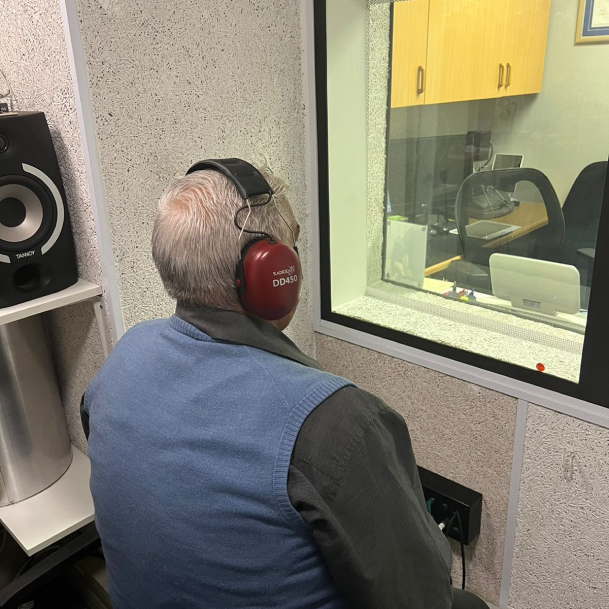
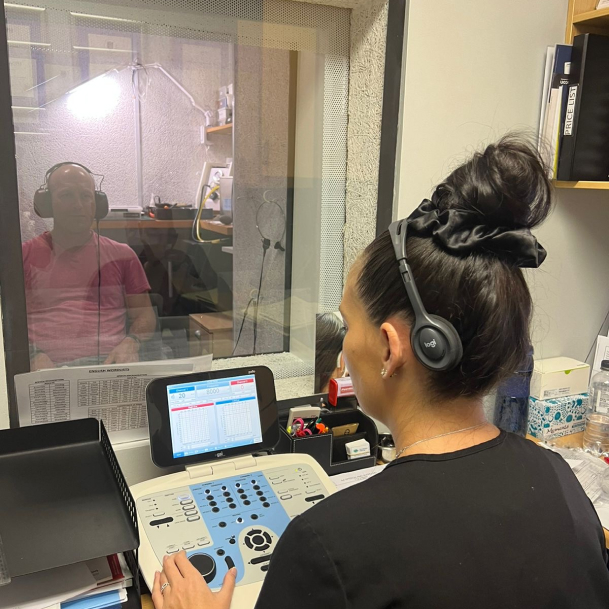
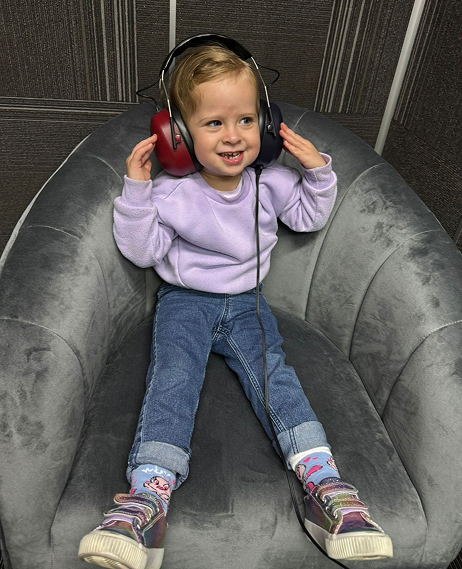
- Diagnostic adult and paediatric hearing tests in a calibrated soundproof booth
- Extensive counselling regarding hearing loss, its effects and possible treatment options
- Support for both you and your family regarding your communication needs
- tinnitus assessment and management
Hearing screening
- School age hearing screenings
- Annual screeners for workplace and medical assessments
- Objective Infant and Newborn Hearing screening using Otoacoustic Emissions
- Newborn hearing screening is a quick and gentle test that checks your baby’s hearing soon after birth. It helps identify any hearing difficulties early—so that support and intervention can begin right away if needed. Early detection gives your child the best possible start for speech, language, and social development
Wax removal
It is common to have a build up of wax in the ears that can impact hearing abilities, we offer quick and effective wax removal
Hearing aid Assessments and fittings
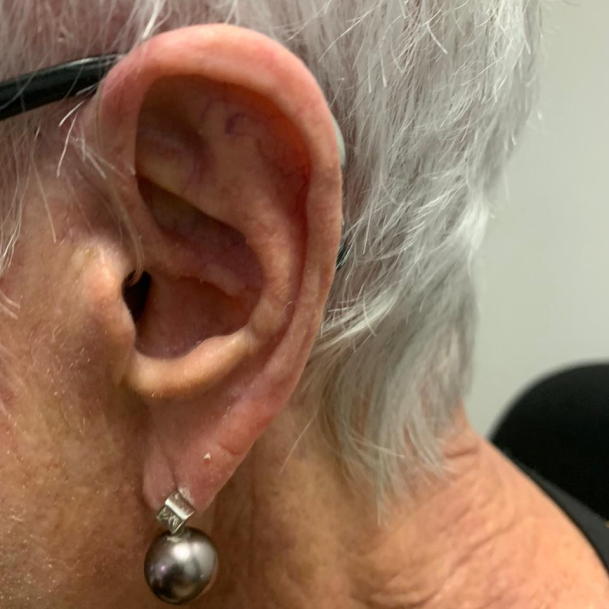
There is a wide variety of Hearing aids available on the market, we at Cape Clarity stock a range of local and international brands
Hearing aids come in different styles, suited for different degrees of hearing loss, ear anatomy, and lifestyle needs.
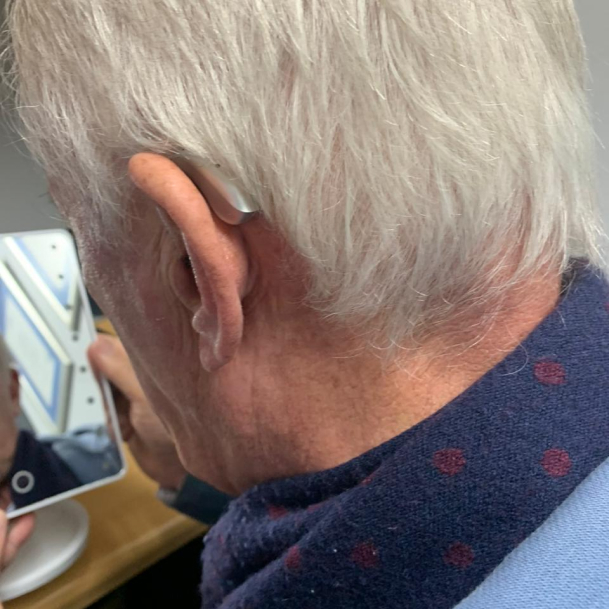
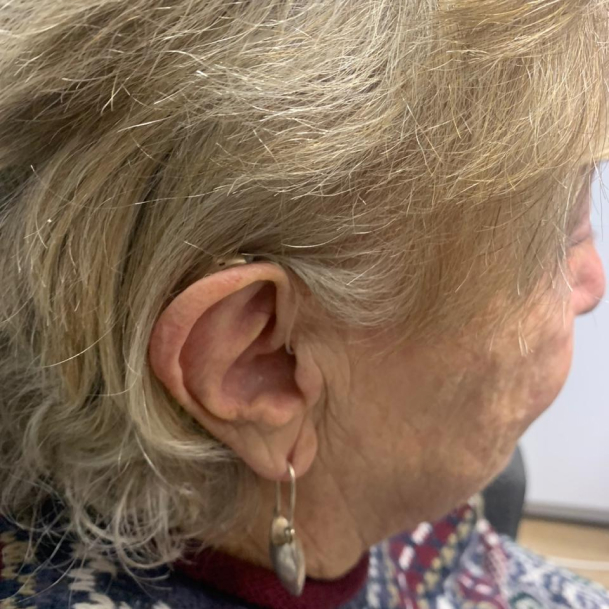
- Behind-the-Ear (BTE)
- Sits behind the ear; sound travels through a tube into an earmold or dome inside the ear canal.
- Pros:
- Suitable for mild to profound hearing loss
- Durable and powerful
- Easier to handle and clean
- Cons:
- More visible
- May feel bulky
- Ideal for: Children, severe hearing loss, users needing strong amplification.
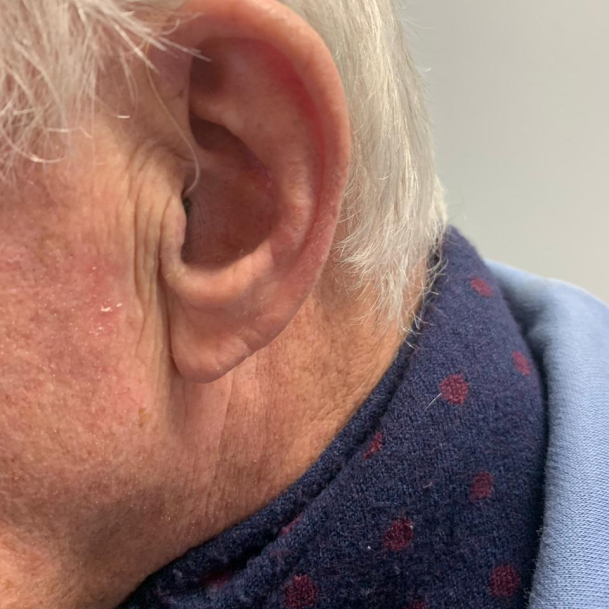
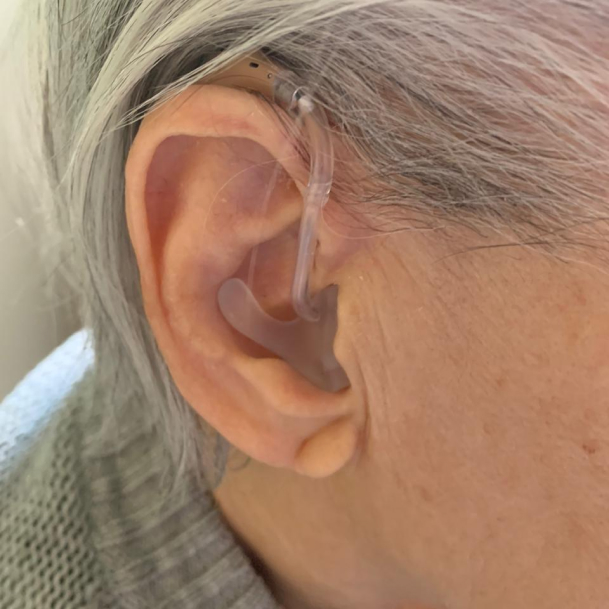
- Receiver-in-Canal (RIC) / Receiver-in-the-Ear (RITE)
- Similar to BTE, but the speaker (receiver) sits in the ear canal, connected by a thin wire.
- Pros:
- Smaller and less visible than BTE
- Better sound quality and less feedback
- Comfortable and open-fit design
- Cons:
- More delicate parts
- Not ideal for people with excessive earwax or moisture
- Ideal for: Mild to severe hearing loss, first-time users.
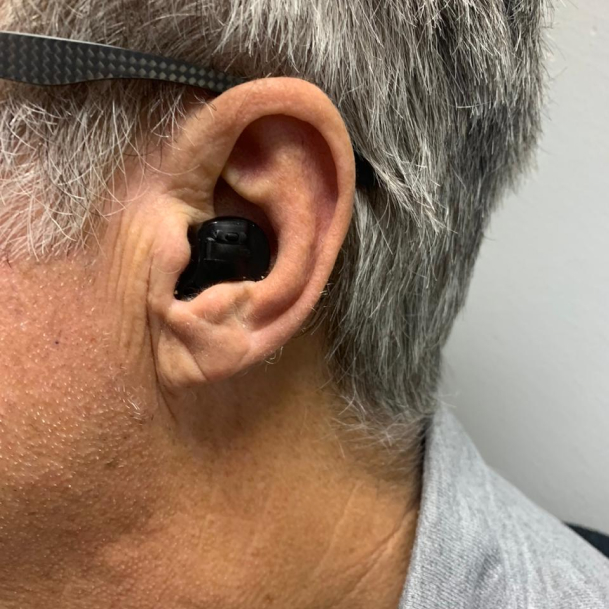
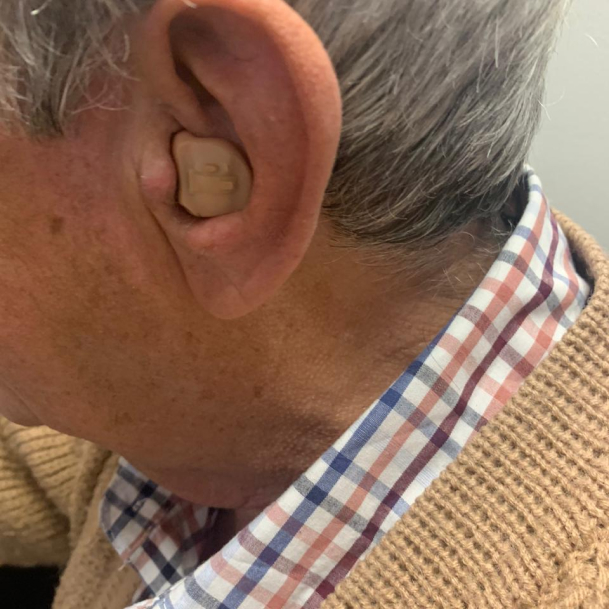
- In-the-Ear (ITE)
- Custom-fit hearing aid that fills the outer portion of the ear.
- Pros:
- Easy to handle
- Larger battery = longer life
- May include manual controls
- Cons:
- More visible than smaller styles
- Can pick up more wind noise
- Ideal for: Mild to severe hearing loss, users with dexterity challenges.
- In-the-Canal (ITC)
- Custom-fit and sits partly in the ear canal.
- Pros:
- Smaller and less visible than ITE
- Can include some manual controls
- Cons:
- Smaller battery = shorter life
- May be harder to adjust
- Ideal for: Mild to moderate hearing loss, users who want a balance between discretion and usability.
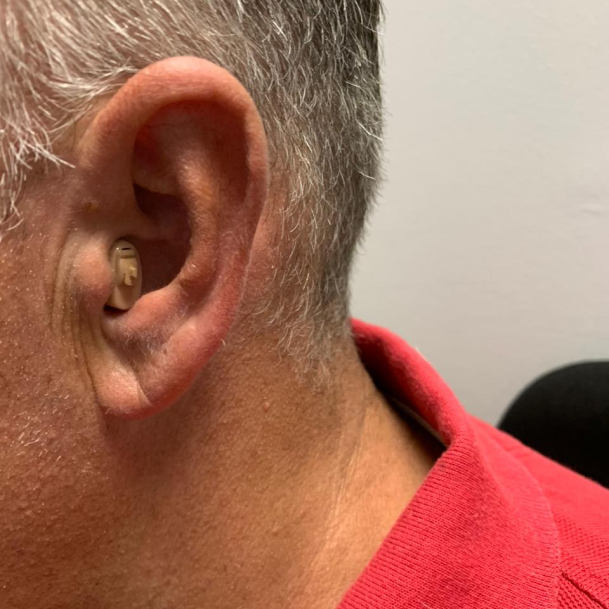
- Completely-in-Canal (CIC)
- Fits entirely inside the ear canal, almost invisible.
- Pros:
- Very discreet
- Less wind noise
- Cons:
- Small size = harder to handle and maintain
- Limited features
- Shorter battery life
- Ideal for: Mild to moderate hearing loss, people prioritizing discretion.
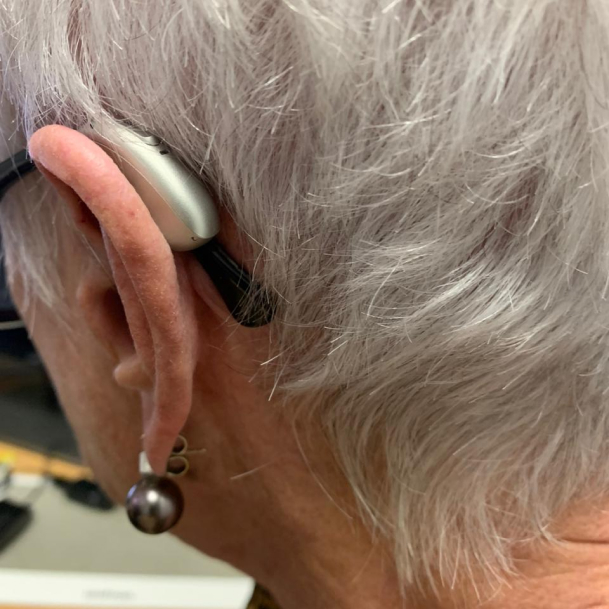
- Bone-Anchored Hearing Aids (BAHA)
- Surgically implanted device that transmits sound through bone conduction.
- Pros:
- Bypasses outer/middle ear
- Ideal for conductive or single-sided deafness
- Cons:
- Requires surgery
- More expensive
- People with conductive or mixed hearing loss, or unilateral hearing loss.
- CROS / BiCROS Hearing Aids
- For users with hearing in one ear only; transmits sound from the non-hearing side to the better ear.
- Pros:
- Improves awareness of sounds on deaf side
- Cons:
- Doesn’t restore hearing in the bad ear
- Ideal for: Single-sided deafness.
- Behind-the-Ear (BTE)
Hearing Aid services
Servicing your hearing aids regularly is essential for maintaining their performance, longevity, and your overall hearing health.
We offer in house servicing of hearing aids.
It is important as serving assists with:
- Maintaining Optimal Sound Quality
- Hearing aids can accumulate earwax, moisture, and dust, which can block microphones or speakers and reduce sound clarity. Regular cleaning and servicing ensure you’re hearing as clearly as possible.
- Extends Device Lifespan
- Like any electronic device, hearing aids can wear out over time. Routine servicing helps identify and address minor issues before they become major problems, prolonging the life of your device.
- Prevents Malfunctions
- Regular maintenance reduces the chances of unexpected breakdowns, such as:
- Battery issues
- Feedback (whistling sounds)
- Connectivity problems (for Bluetooth-enabled devices)
- Regular maintenance reduces the chances of unexpected breakdowns, such as:
- Ensures Proper Fit and Comfort
- Ears can change shape slightly over time, and hearing aid parts like earmolds or domes may wear out or become uncomfortable. Servicing includes checking the fit to keep the device comfortable and effective.
- Keeps Software Updated
- Some hearing aids use software that may need periodic updates for better performance, compatibility with smartphones, or improved noise filtering. A professional service visit can ensure you have the latest updates.
- Verifies Your Hearing Needs Are Met
- Your hearing can change over time. During servicing, audiologists can:
- Test your hearing again
- Reprogram your hearing aids to match your current hearing profile
- Saves Money in the Long Run
- Preventative care is often much cheaper than repairs or replacements due to neglected issues.
- Maintaining Optimal Sound Quality
Therapy
Voice Therapy
Adult voice therapy is a specialized treatment designed to help adults improve or restore their voice when there are issues with how it sounds, feels, or functions. With the ultimate purpose of addressing voice disorders that may cause hoarseness, vocal fatigue, pain, loss of voice, or changes in pitch and volume. These issues can result from overuse, illness, injury, or neurological conditions.
Voice therapy is aimed to treat:
- Vocal strain or overuse
- Vocal cord polyps or vocal cord nodules
- Neurological conditions such as Parkinson’s disease and spasmodic dysphonia
- Post-surgery or cancer treatment-related voice changes
The goals of adult voice therapy are to:
- Improve voice quality, strength, and endurance
- Reduce strain or tension during speaking
- Teach healthy vocal habits and techniques
- Restore functional communication for work or daily life
Treatment plans are personalized and may include vocal exercises, breathing techniques, and lifestyle adjustments.
Swallow Rehabilitation
- Swallow rehabilitation helps adults regain or improve their ability to swallow safely and effectively, enhancing their quality of life and health. It is therapy focused on helping individuals who have difficulty swallowing—a condition known as dysphagia. It aims to improve swallowing safety, efficiency, and overall nutrition and hydration, while reducing the risk of complications like choking or aspiration pneumonia.
- Causes of swallowing problems:
- Stroke or brain injury
- Acid Reflux
- Neurological conditions
- Head and neck cancer or surgery
- Aging-related muscle weakness
- Goals of swallow rehabilitation include:
- Restoring safe swallowing function
- Strengthening muscles involved in chewing and swallowing
- Reducing the risk of aspiration
- Support nutritional needs through safe eating strategies
- Swallow Rehabilitation may include:
- Exercises to improve strength and coordination
- Postural techniques to aid safer swallowing
- Diet modifications
- Use of adaptive tools or strategies for eating and drinking
LSVT®
- Lee Silverman Voice Treatment (LSVT®) is an evidence-based, intensive speech therapy program primarily designed to improve voice and speech in individuals with Parkinson’s disease (PD) and other neurological conditions.
- It is aimed to improve vocal loudness, intonation, and voice quality while enhancing intelligibility and communication effectiveness. The effects of LSVT® can last for six months to two years with continued practice.
- Goals of LSVT® Therapy are:
- Improve vocal loudness, articulation, intelligibility, and facial expression
- Retrain the brain to recognize normal loudness levels
- Help individuals speak with more confidence and clarity in daily life